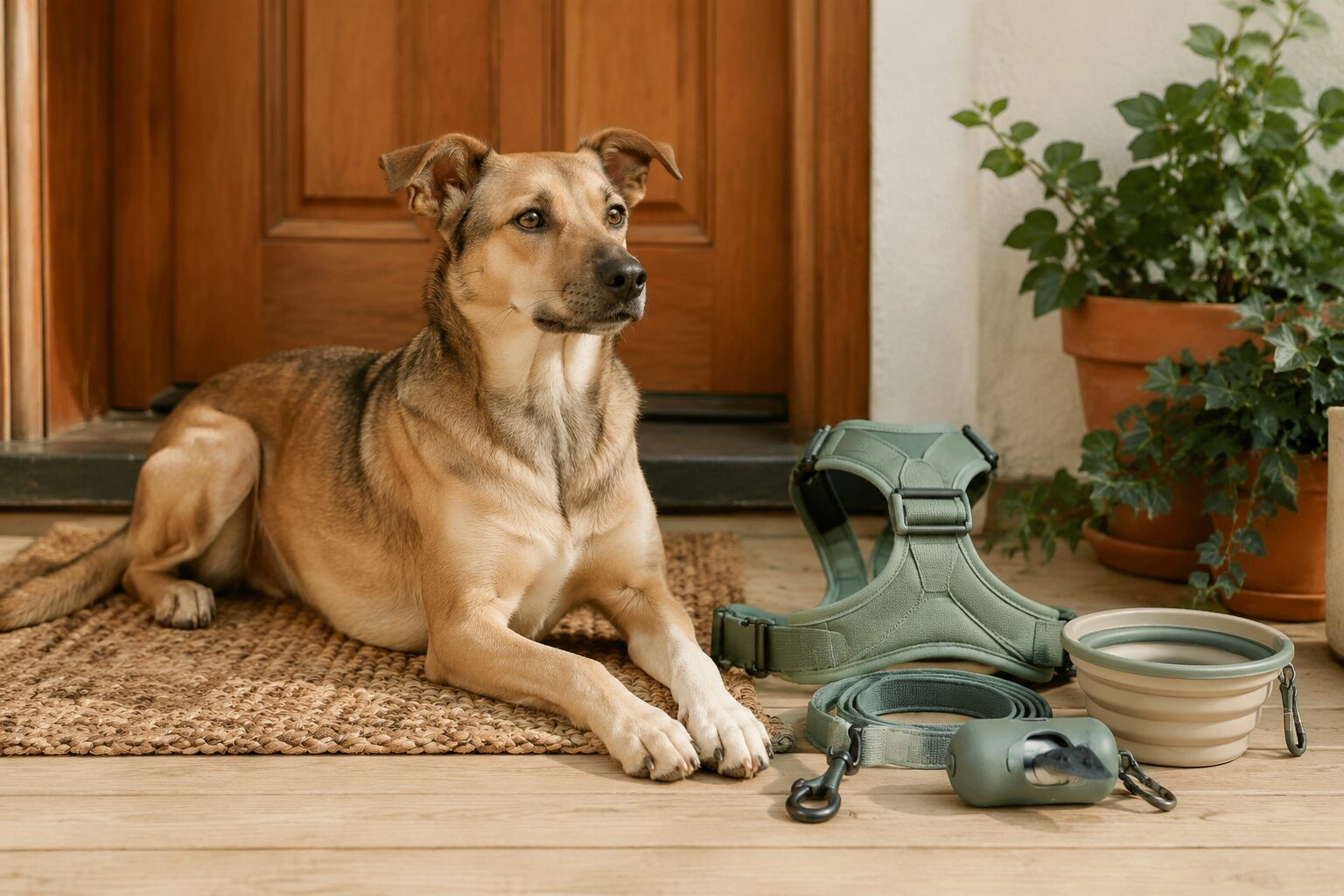
Walking well
Comfortable equipment and calmer outings
Choose a correctly fitted harness or collar, carry water when needed and match distance to your dog’s age, health and environment.
Optional Amazon US search · affiliate link
Practical care, positive training, useful planning tools and thoughtfully chosen dog essentials—from first puppy steps to comfortable senior years.
Consistent routines, appropriate exercise, rest, enrichment and kind training help dogs feel secure.
Choose a correctly fitted harness or collar, carry water when needed and match distance to your dog’s age, health and environment.
Optional Amazon US search · affiliate link
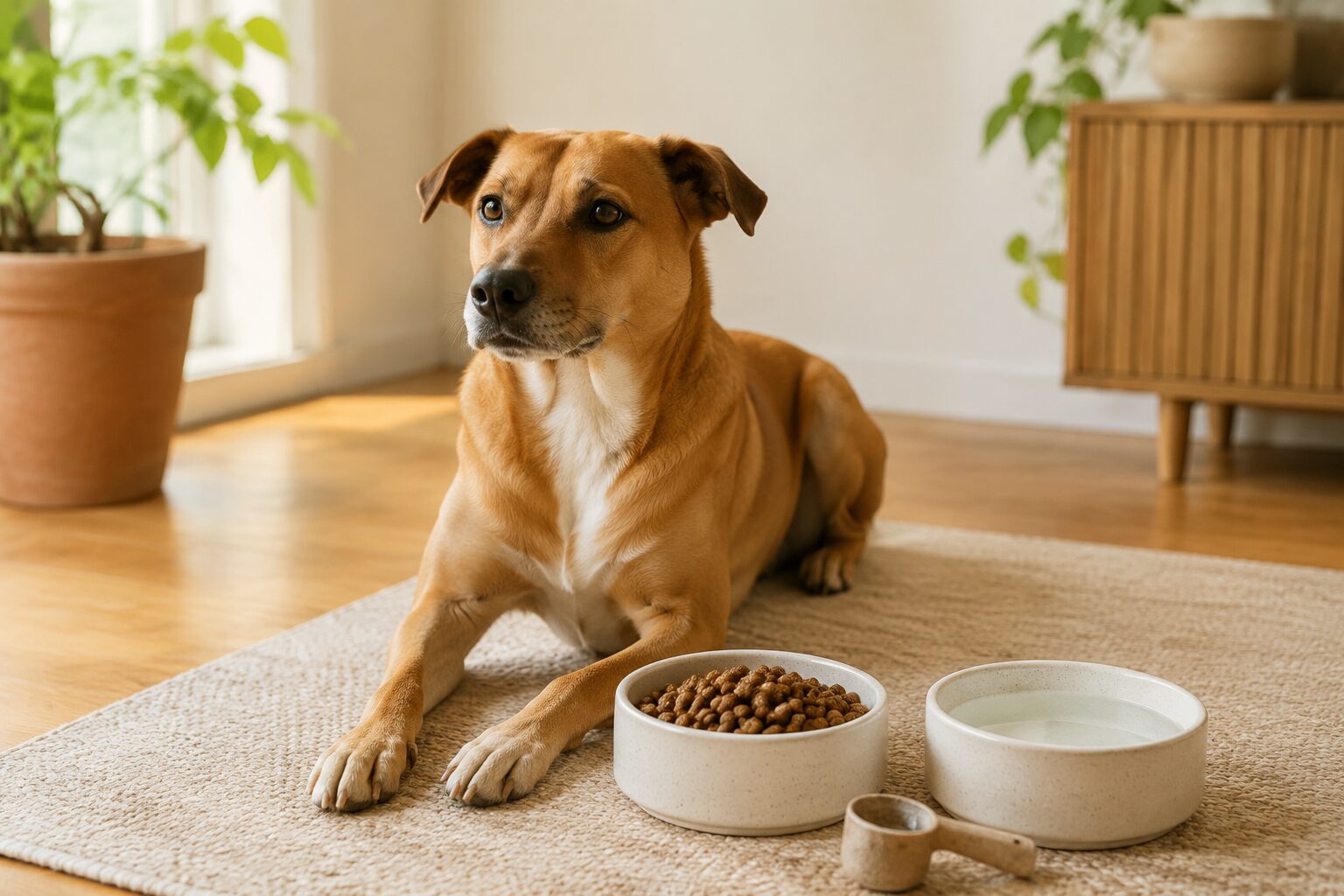
Use the food label as a starting point and ask your veterinarian about body condition and individual needs.
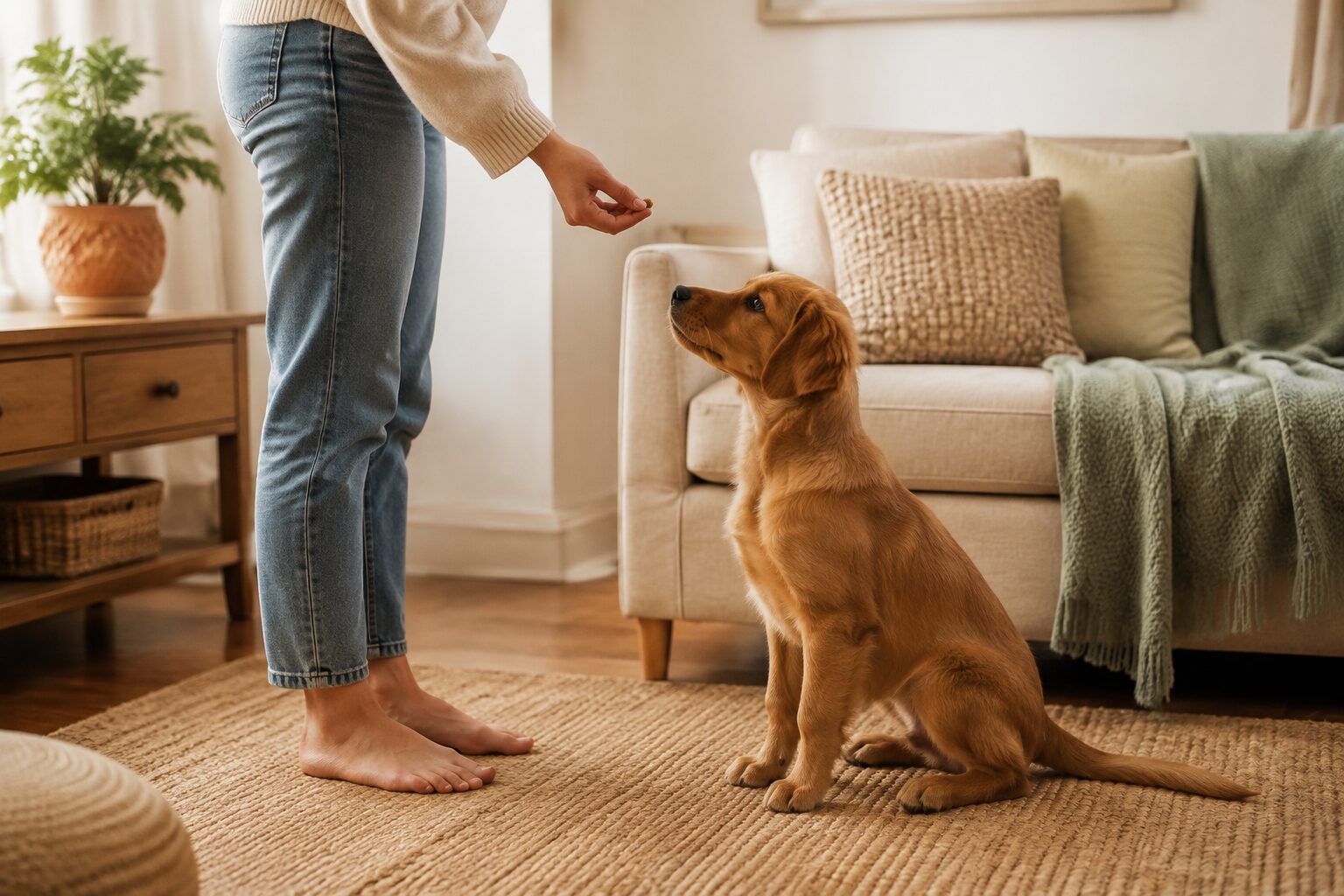
Keep sessions short, clear and kind. Avoid pain, fear and intimidation.
Age, size, health, history and temperament all shape what appropriate care looks like.
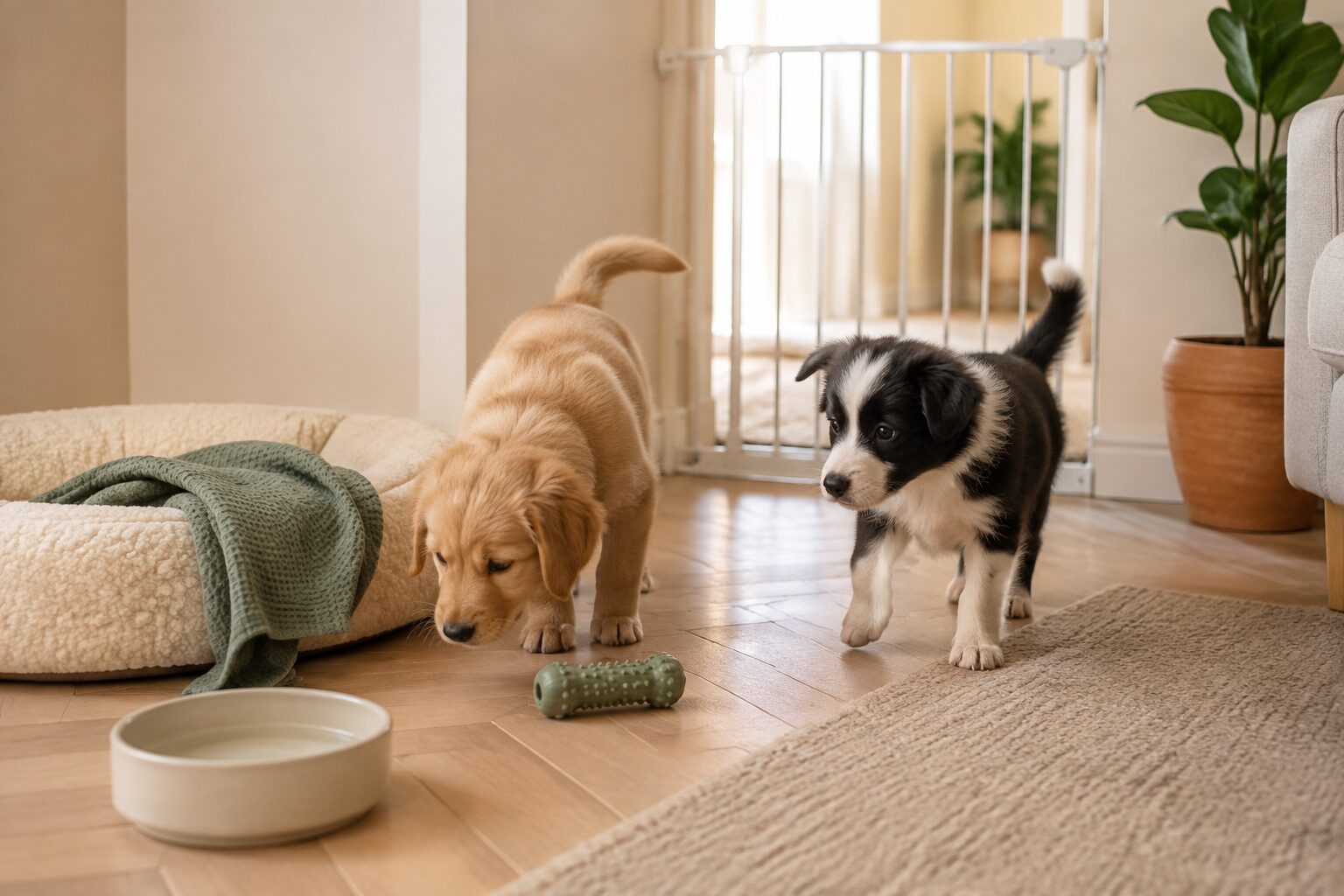
Safe spaces, toilet routines, sleep, socialisation and early veterinary care.
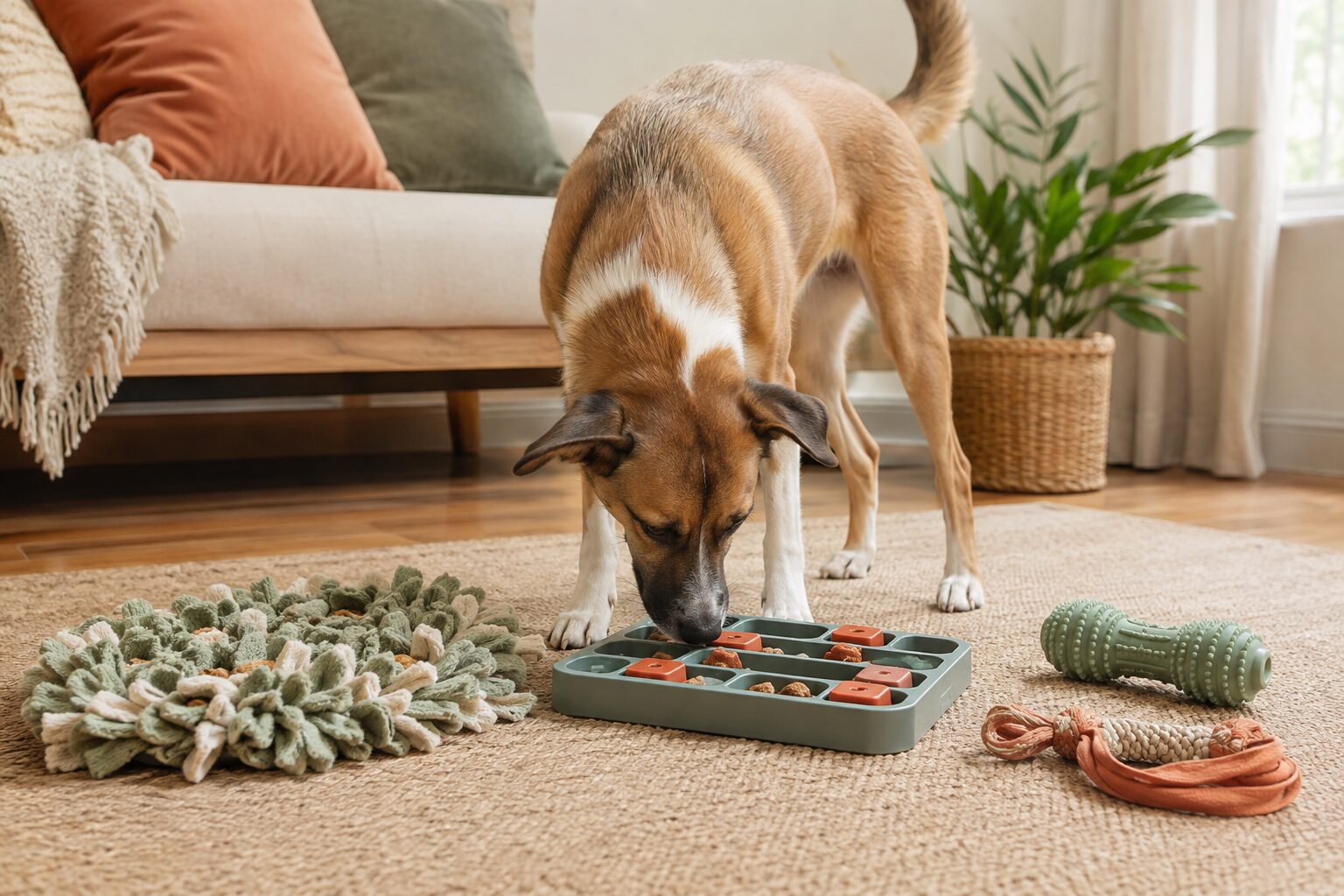
Mental activity matters alongside physical exercise.
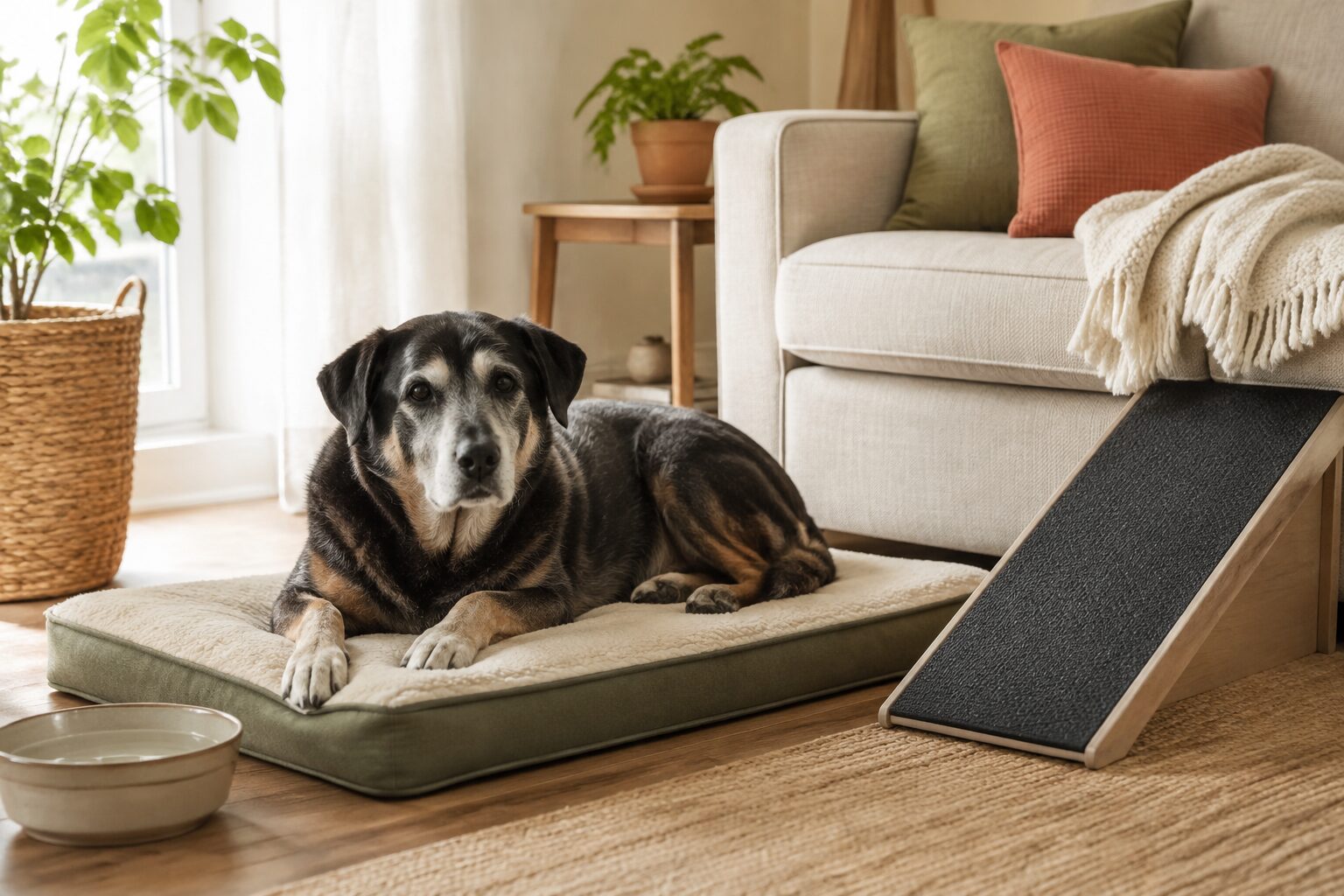
Non-slip surfaces, supportive rest and attention to subtle changes.
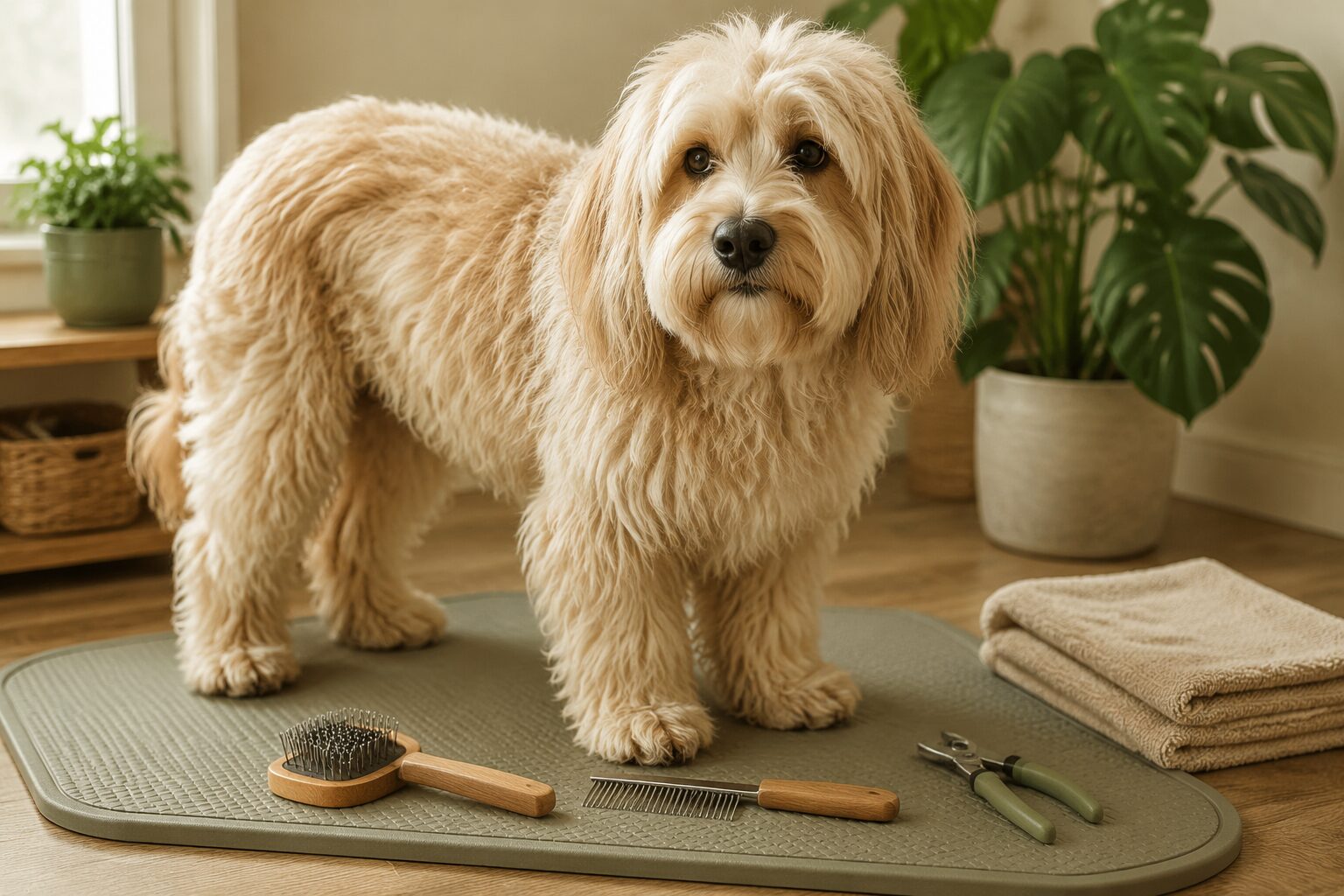
Use calm, gradual handling and the right tools for the coat.
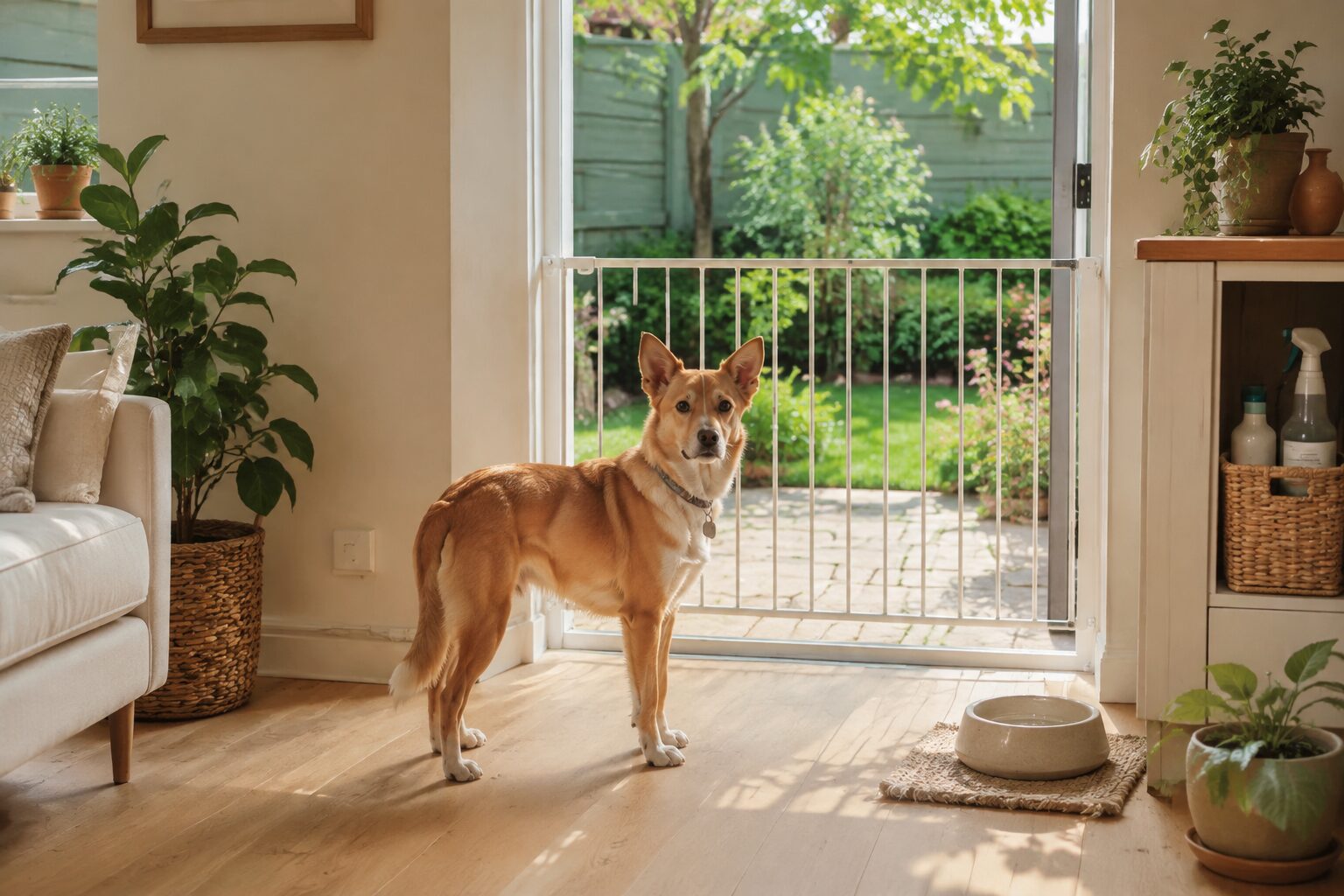
Secure exits, store hazards and give your dog a quiet retreat.
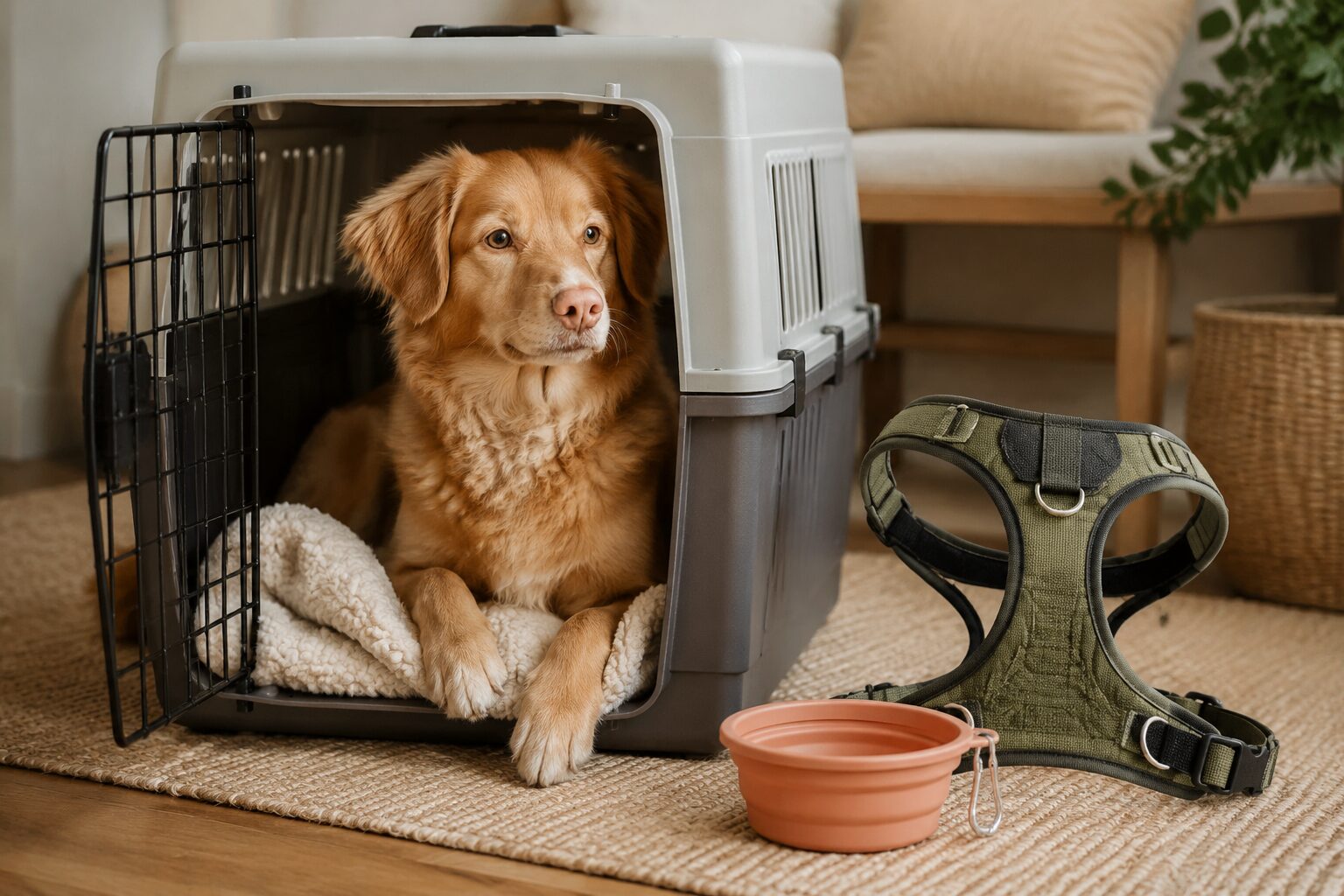
Practice with crates or vehicle restraints before a necessary trip.
Practical starting points for routines, prevention and knowing when professional help matters.
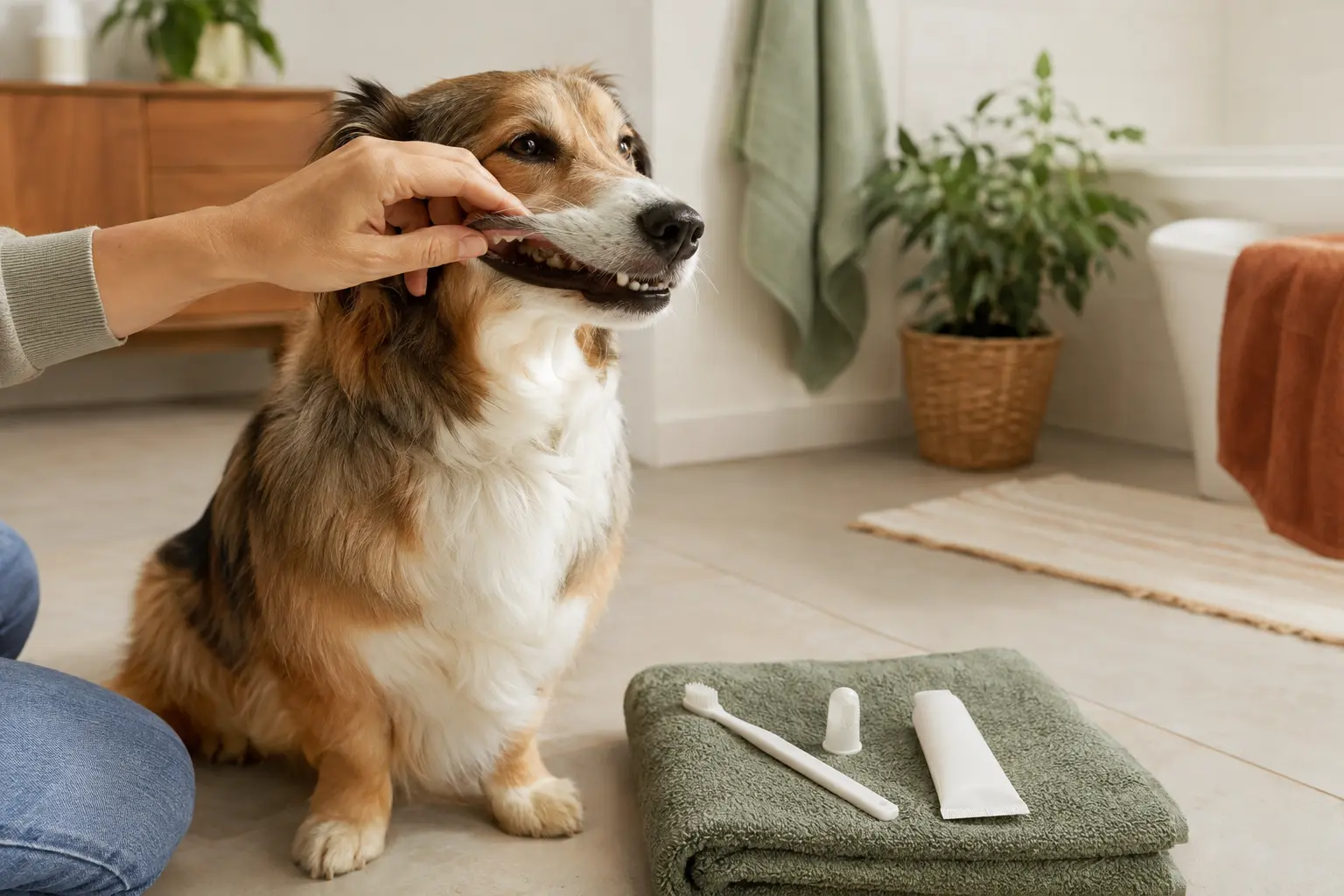
Build gentle tooth-brushing habits, choose dog-safe products and ask your veterinarian about pain, bad breath or damaged teeth.
Read dental guide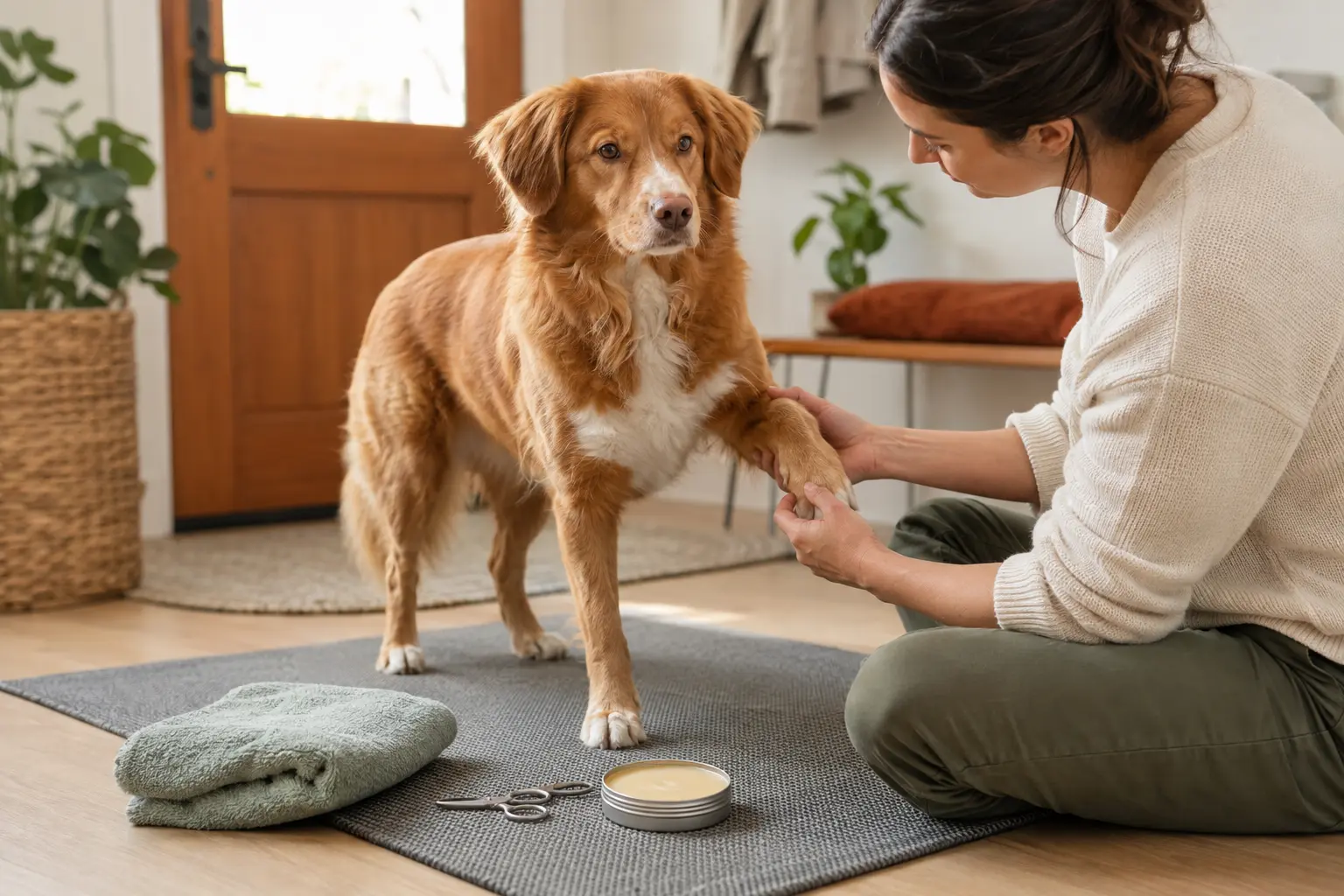
Short routine checks help you notice redness, discharge, swelling, soreness or sudden changes early.
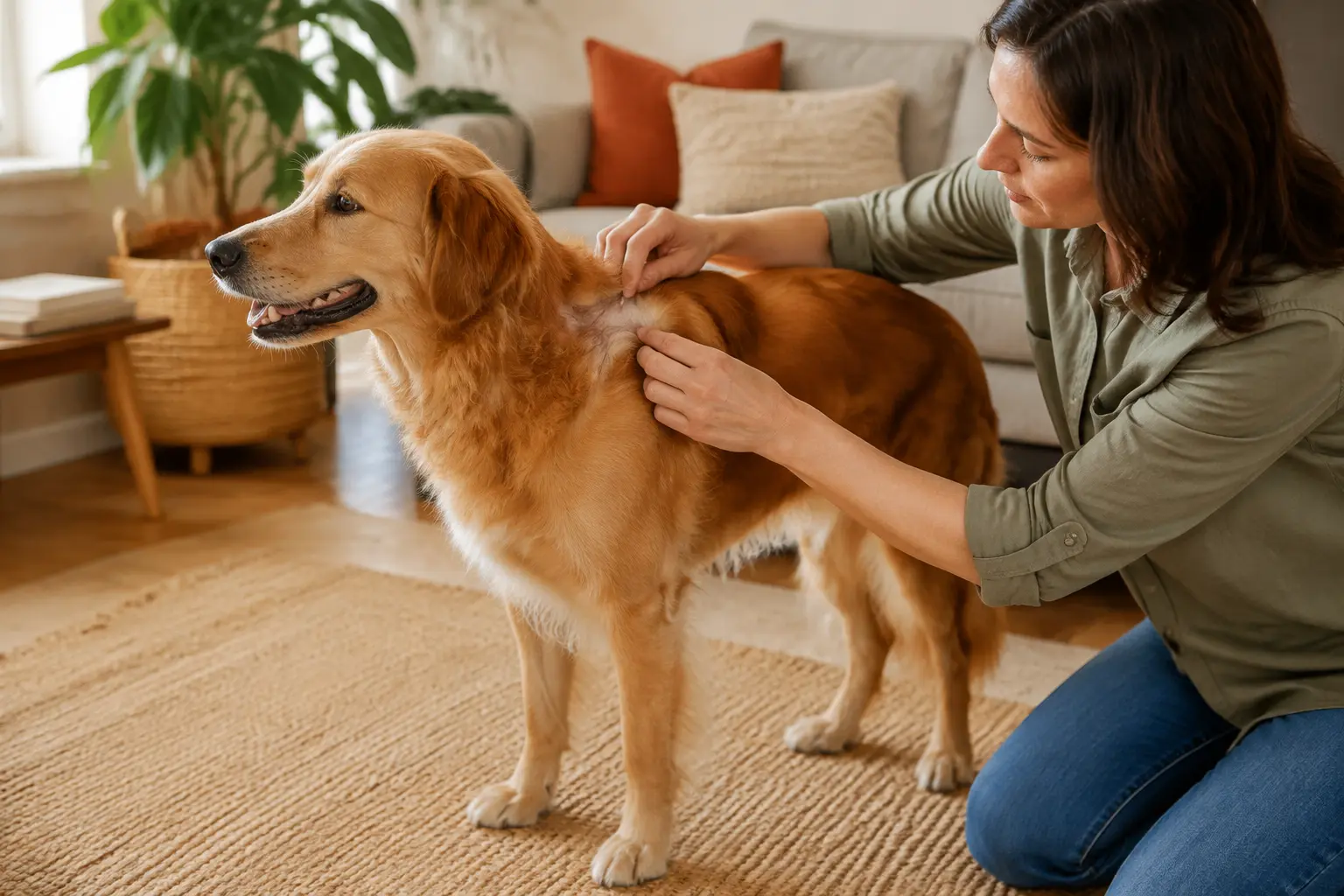
Track itching, licking and changes without guessing the cause. Persistent symptoms need veterinary assessment.
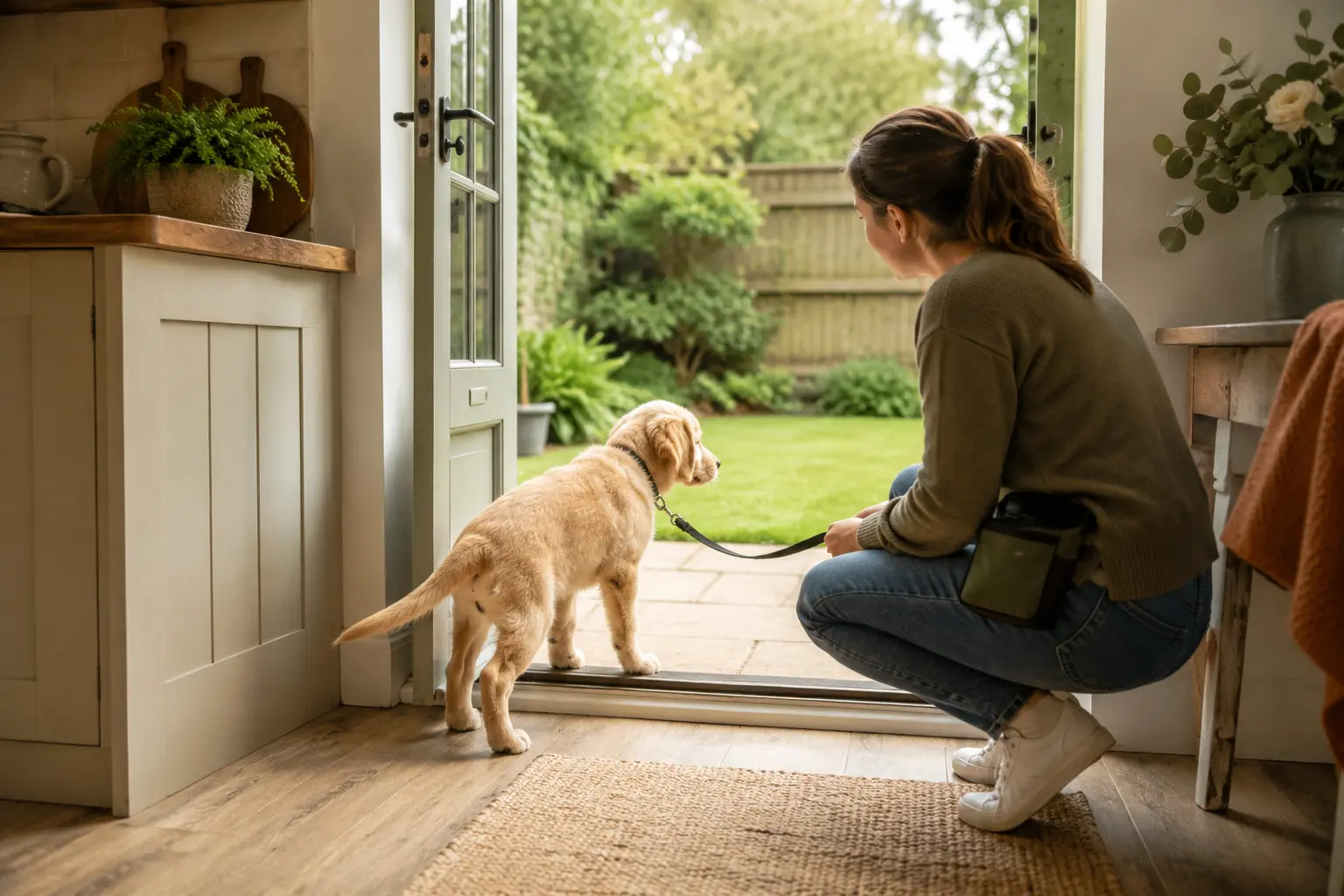
Take puppies out after waking, eating, drinking and play. Reward outdoors and clean accidents without punishment.
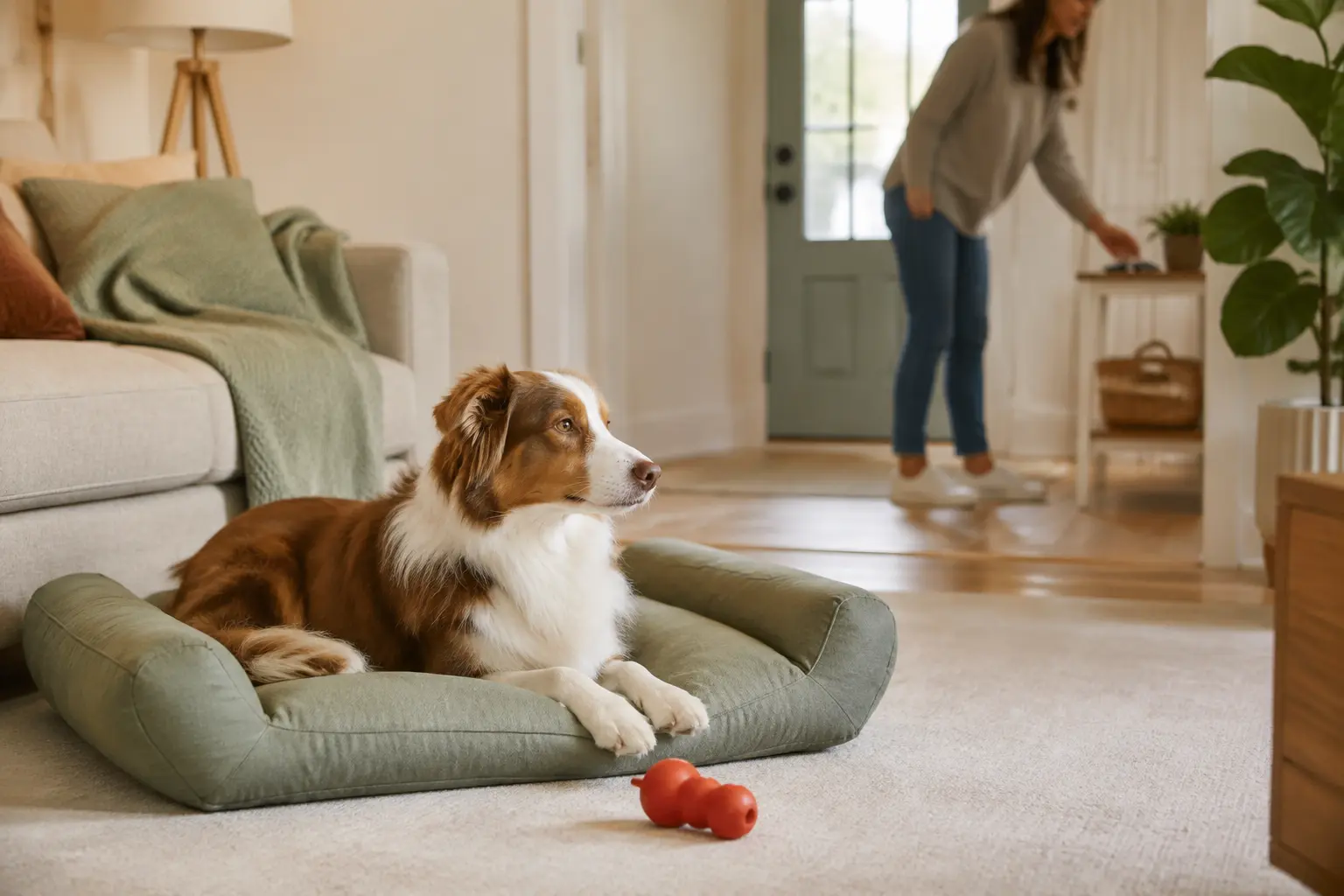
Build independence gradually with safe rest, predictable departures and enrichment—not forced isolation.
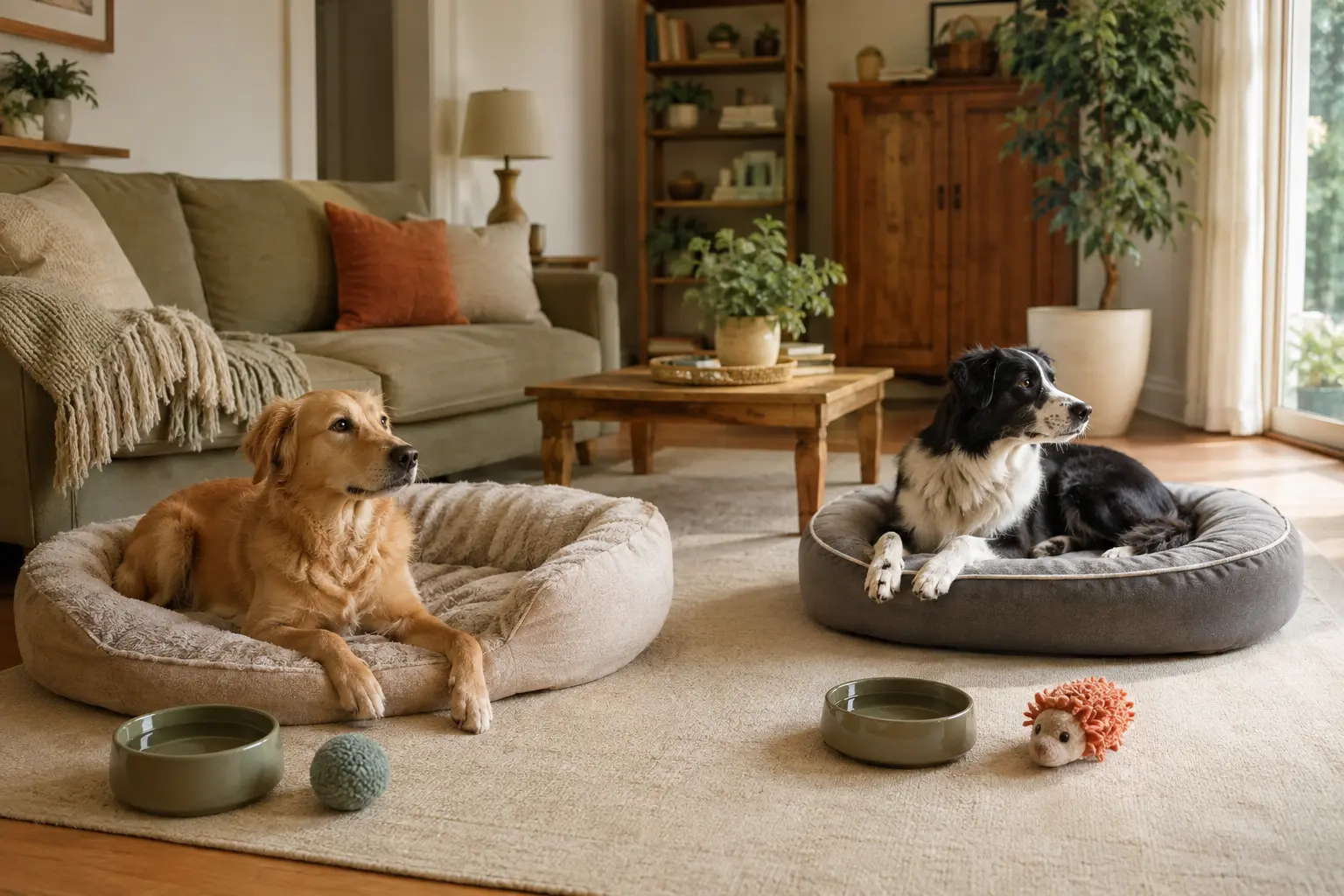
Provide separate beds, feeding spaces and valued resources, and supervise interactions around high-value items.
Clear checklists for preparation—not substitutes for an individual veterinary or qualified behaviour plan.
Note appetite, water intake, toilet habits, sleep, mobility, weight and behaviour. A simple baseline makes changes easier to describe.
Name response, settle, recall, loose-lead walking, leave and cooperative handling are useful everyday skills. Progress at the dog's pace.
Age, breed, body condition, weather, health and terrain matter more than a universal number of minutes.
Chocolate, xylitol, grapes, raisins, onions, some medicines and many household products can be dangerous. Contact a veterinarian after suspected ingestion.
New fear, aggression, restlessness, withdrawal or house-soiling can be linked to pain or illness. Start with a veterinary check.
Keep your veterinary and emergency-clinic details, a secure carrier or restraint, towel, gloves and basic supplies together.
Read first-aid guideSearch practical starting points for health, behaviour, training, feeding, safety and life-stage care.
Ask your veterinarian for an individual schedule based on age, health, lifestyle and local risks. Keep microchip details current.
Read full guideUse dog-specific prevention appropriate to your location and dog. Persistent itching, illness or suspected reactions need veterinary advice.
Read full guideRecord timing and other changes. Repeated symptoms, blood, pain, swelling, weakness or inability to keep water down need prompt advice.
Read full guideBad breath, drooling, dropping food or chewing differently can indicate pain. Use dog-safe products and arrange assessment when needed.
Read full guideWatch for redness, discharge, swelling, odor, soreness or repeated licking. Avoid unprescribed human products.
Read full guideUse supportive rest, non-slip routes and easier access. Meaningful changes deserve assessment rather than being dismissed as age.
Read full guideLook for the trigger and function before training. Reduce rehearsal, meet underlying needs and reward an achievable alternative.
Read full guideBegin in low-distraction places, reward generously and use a long line where appropriate. Never punish the dog for returning.
Read full guideUse comfortable equipment, reward attention and progress in manageable environments. Pain, fear and over-arousal require a different plan.
Read full guidePrevent access to hazards, rotate suitable options and supervise new items. Remove damaged toys or pieces that could be swallowed.
Read full guideCreate safety and distance, avoid forced exposure and build difficulty gradually. Severe distress needs qualified support.
Read full guideUse complete food appropriate to life stage, measure the total daily amount and discuss body condition or medical needs with your veterinarian.
Read full guideNo exact match. Try a shorter word such as “food”, “lead” or “puppy”.
Plan for temperature, water, terrain, visibility and a safe journey home.
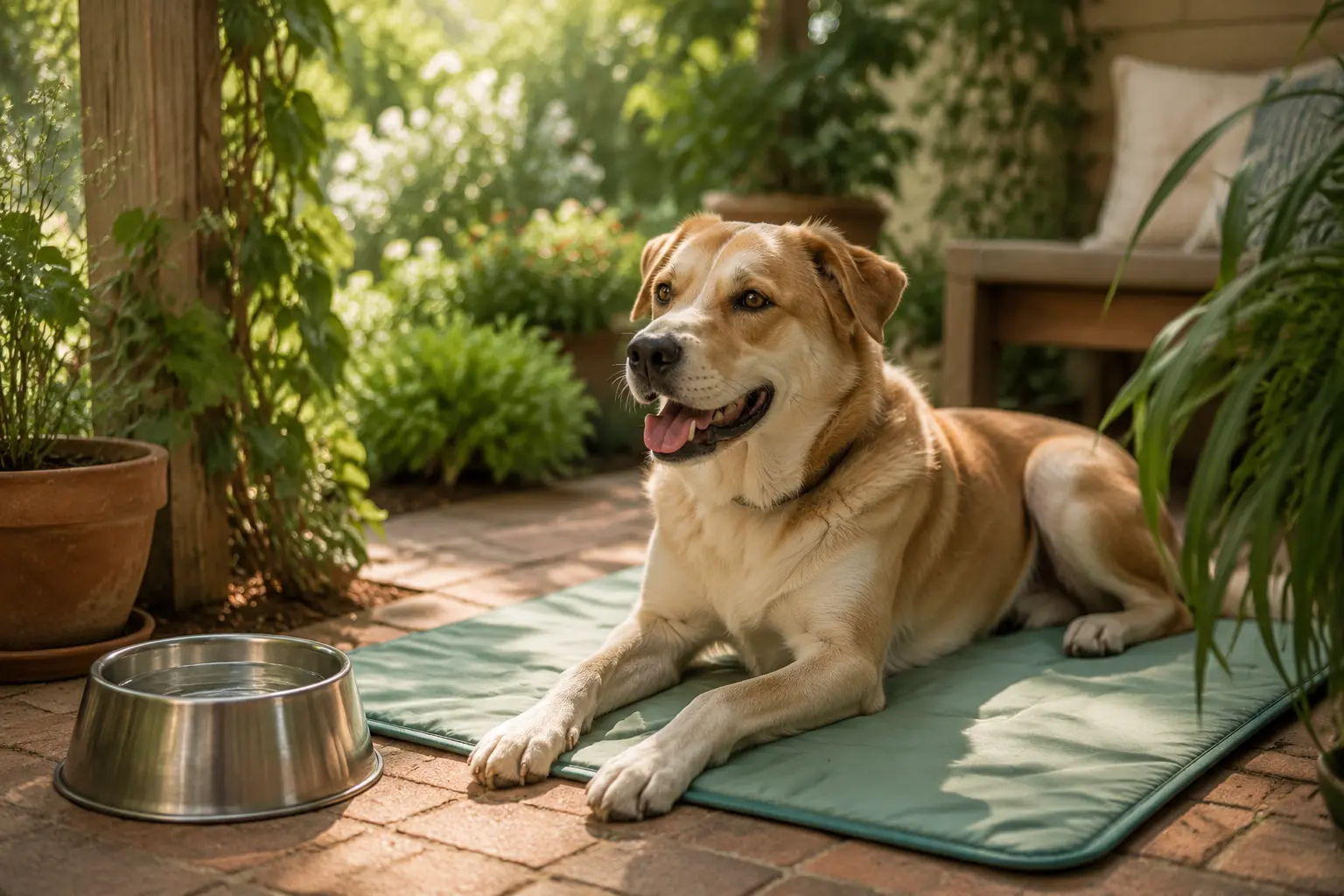
Use cooler times of day, shade and water. Hot pavement, enclosed vehicles and strenuous activity can become dangerous quickly.
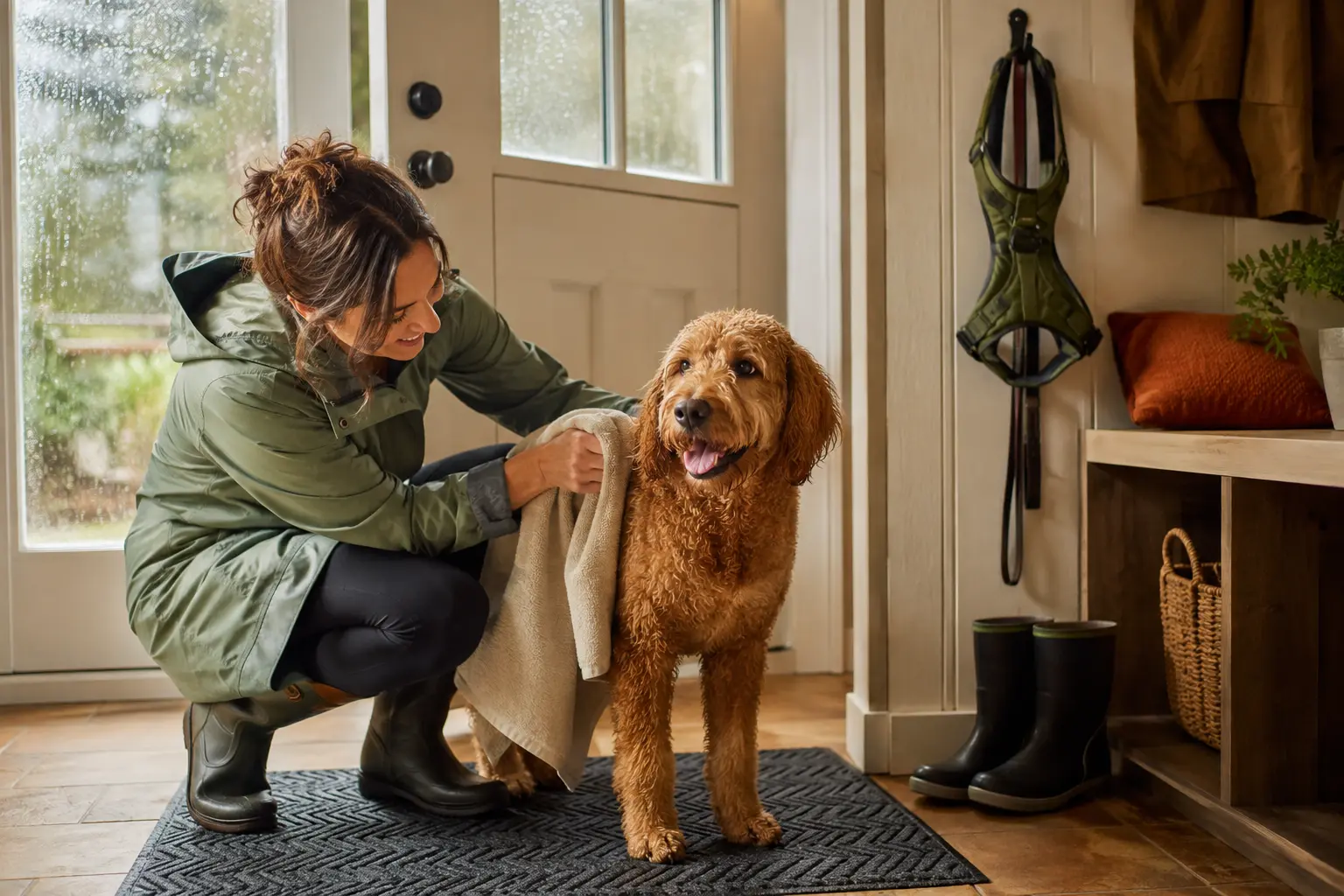
Dry the coat and paws, rinse road salt or grit, and watch young, old, small or thin-coated dogs for discomfort.
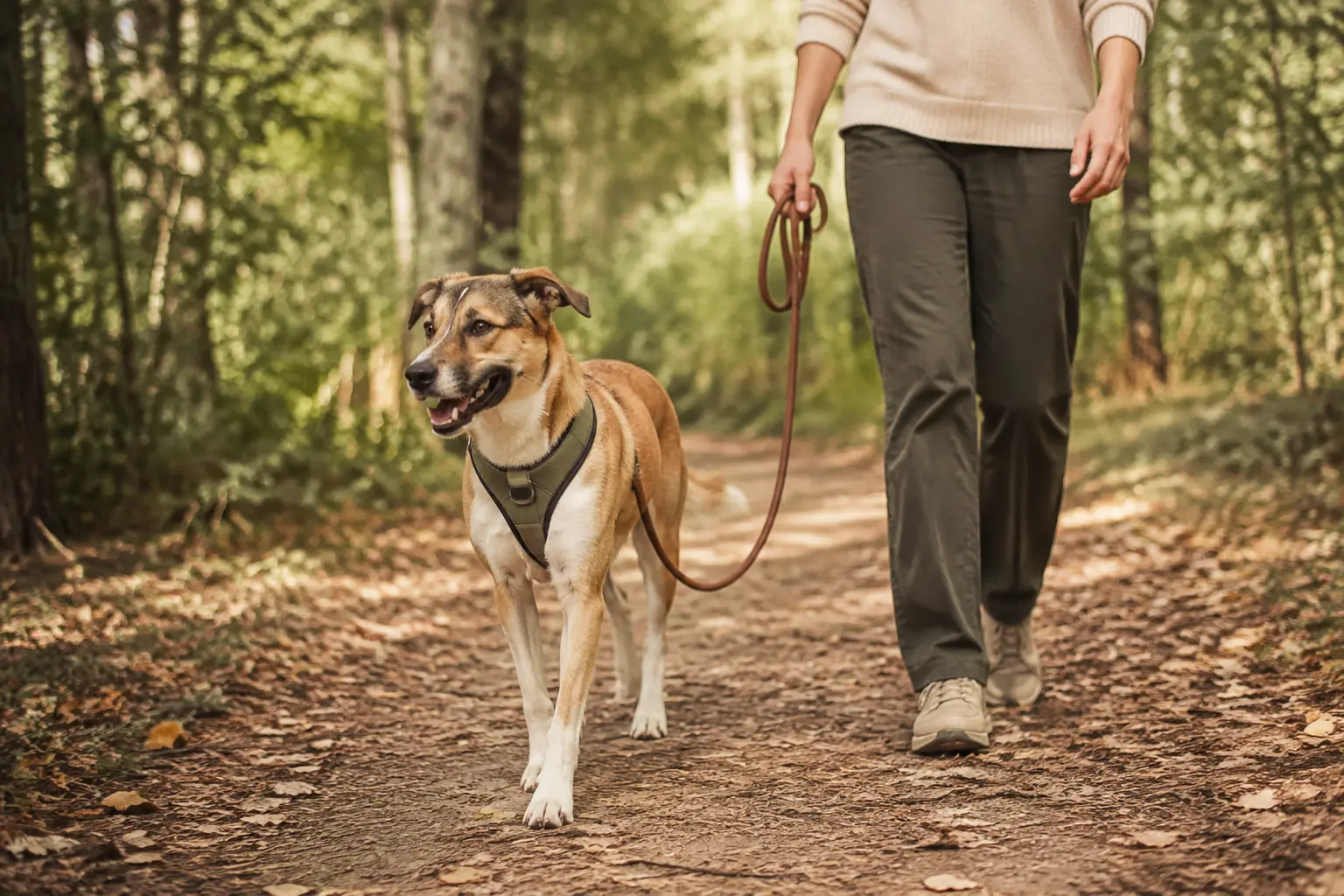
Mix comfortable movement, sniffing and rest. Stop and seek advice for limping, collapse, breathing difficulty or unusual fatigue.
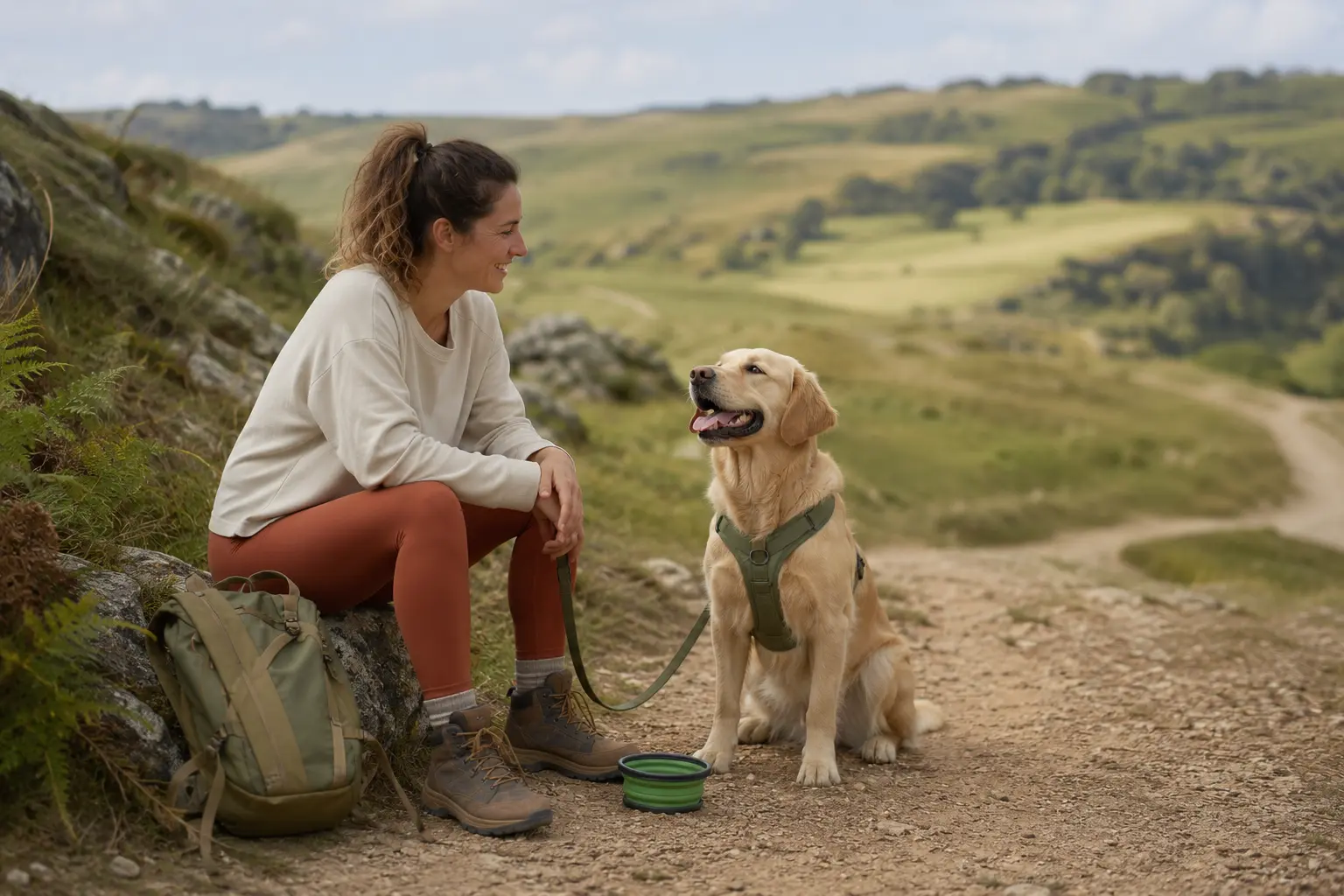
Carry water, identification and a lead, check local hazards and wildlife rules, and choose routes your dog can genuinely manage.
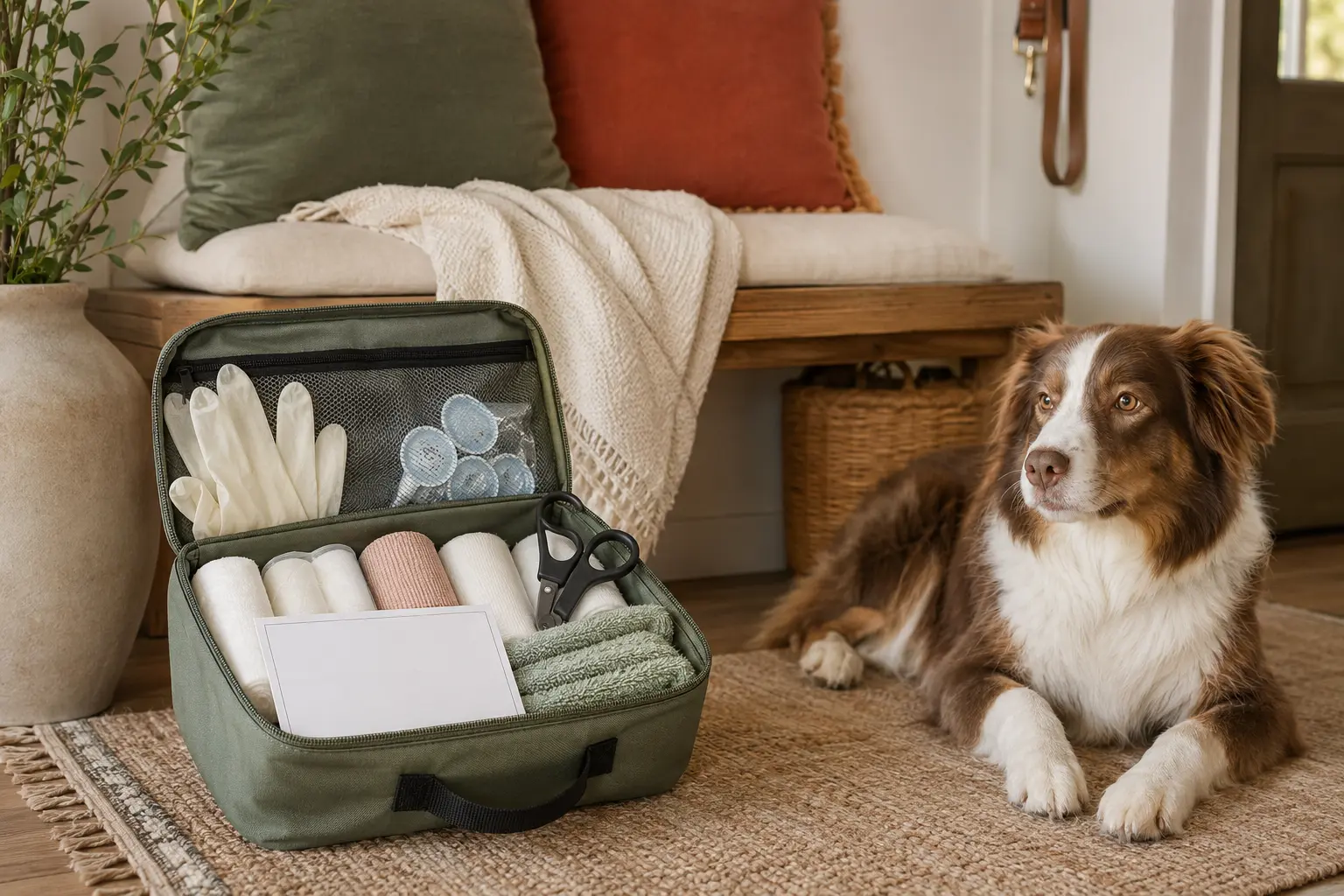
Keep veterinary contact details, gauze, cohesive bandage, saline, gloves, a towel and blunt-tip scissors together. First aid supports safe transport; it does not replace veterinary treatment.
Review urgent warning signsSimple buying checks first, followed by an optional Amazon US search. Fit and suitability matter more than marketing claims.
As an Amazon Associate I earn from qualifying purchases. Verify dimensions, materials, weight limits, ingredients and suitability before ordering.
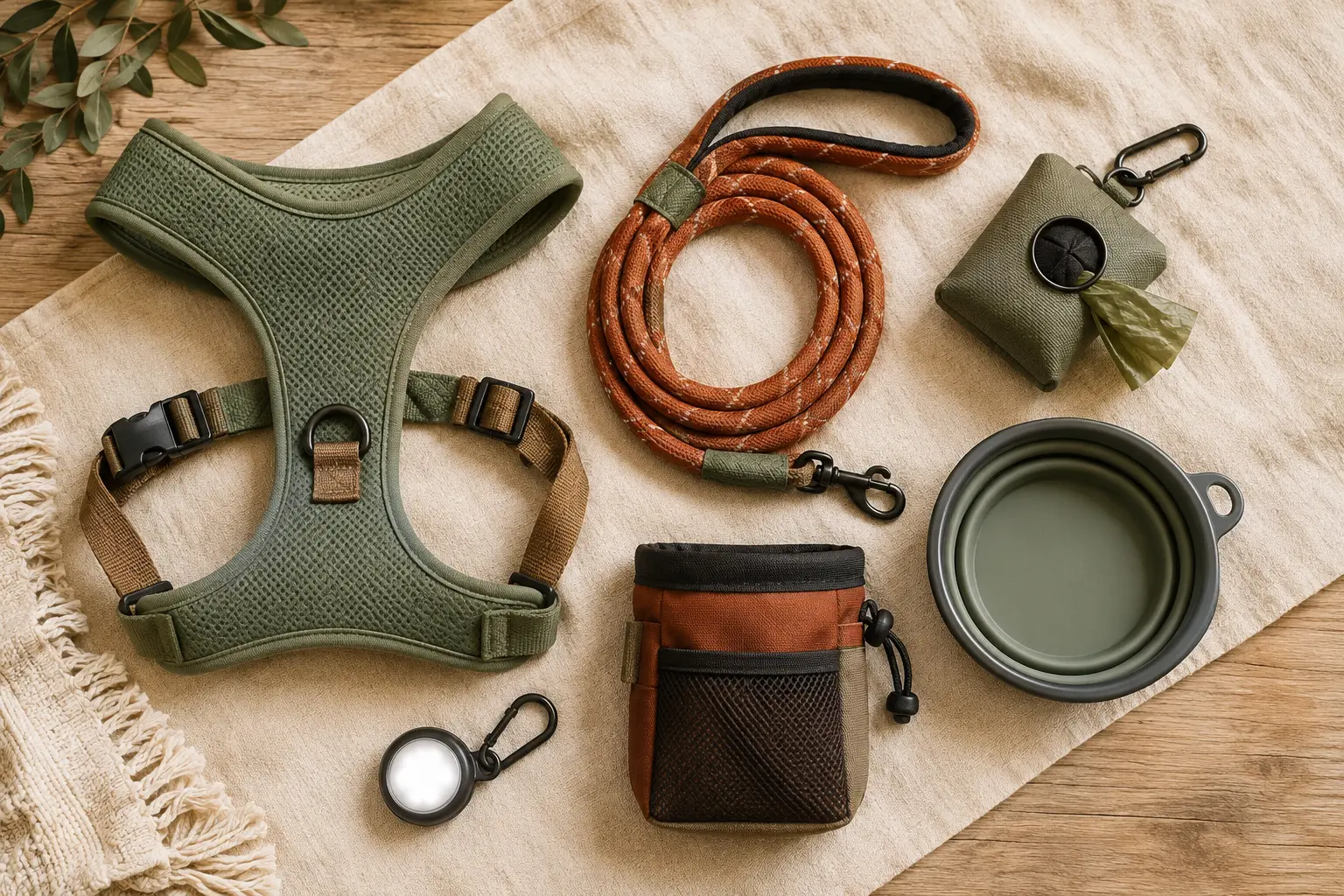
Practical Amazon US searches for dog essentials. Always check measurements, materials, weight limits and suitability for your dog.
Explore dog essentialsAs an Amazon Associate I earn from qualifying purchases. Prices and availability are controlled by Amazon and can change.
Information saves only on this device. Tools are educational and do not diagnose illness or prescribe exercise or food amounts.
Choose a style and get a short list that feels like your dog.
Open a local map search. For emergencies, call the clinic before travelling.
Choose meal and walk counts. Duration and intensity must suit your individual dog.
A rough life-stage view—not a health prediction. Size affects ageing.
Prepare the first days at home and save progress locally.
Record weights to notice trends. A log does not determine whether a weight is healthy.
Save a short dated note about food, water, toileting, movement or behaviour.
Organise key facts before an appointment. This does not assess urgency.
Simple printable text sheets generated in your browser—no account and no information sent anywhere.
Meals, walks, routines, contacts, commands and safe resting places.
Symptoms, timing, food, toileting, medicines and questions.
Veterinarian, emergency clinic, poison service and transport plan.
Immediate search, microchip, neighbours, shelters and scam awareness.
Weight, appetite, thirst, mobility, sleep and toileting.
Tracking only—medicine, dose, time and prescribing clinic.
Food, bed, harness, lead, travel, veterinary care and safe setup.
Food, water, walks, toileting, rest, play and anything unusual.
If your dog’s breathing, gums, abdomen, movement or behavior changes suddenly, contact a veterinarian rather than relying on a website.
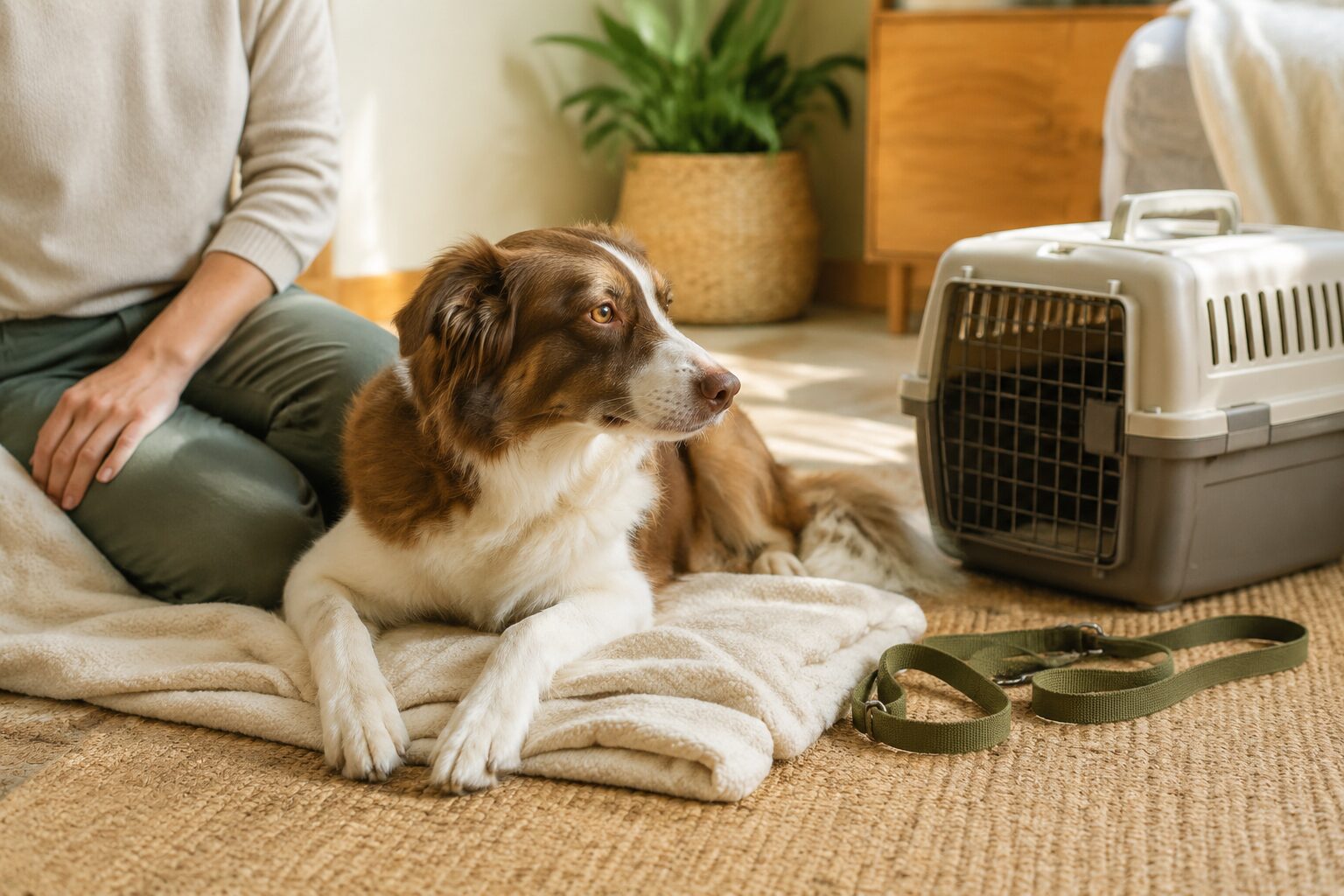
Changes in appetite, thirst, toileting, sleep, movement or sociability can matter. Keep notes and contact your veterinarian when something feels wrong.
Use Dogs & Dog Stuff to organise routines and questions—not to delay professional care.
Review warning signs