Start with the individual dog
Loose-lead walking is a learned skill, not a test of dominance. Begin where the dog can think and reinforce the position and attention you want before adding difficult environments.
This guide is general education. Age, breed, medical history, temperament and environment can change what is appropriate. Sudden pain, illness, breathing difficulty, collapse or severe distress requires veterinary attention.
A practical plan
- Start in a quiet place with comfortable fitted equipment.
- Reward the dog while the lead is slack and before pulling begins.
- Use short sessions and allow separate sniffing time.
- Increase distraction gradually instead of demanding perfect behaviour everywhere.
- Pause and reassess when fear, frustration or pain appears to be involved.
What to check before buying
- A comfortable standard-length lead rather than a punishment tool.
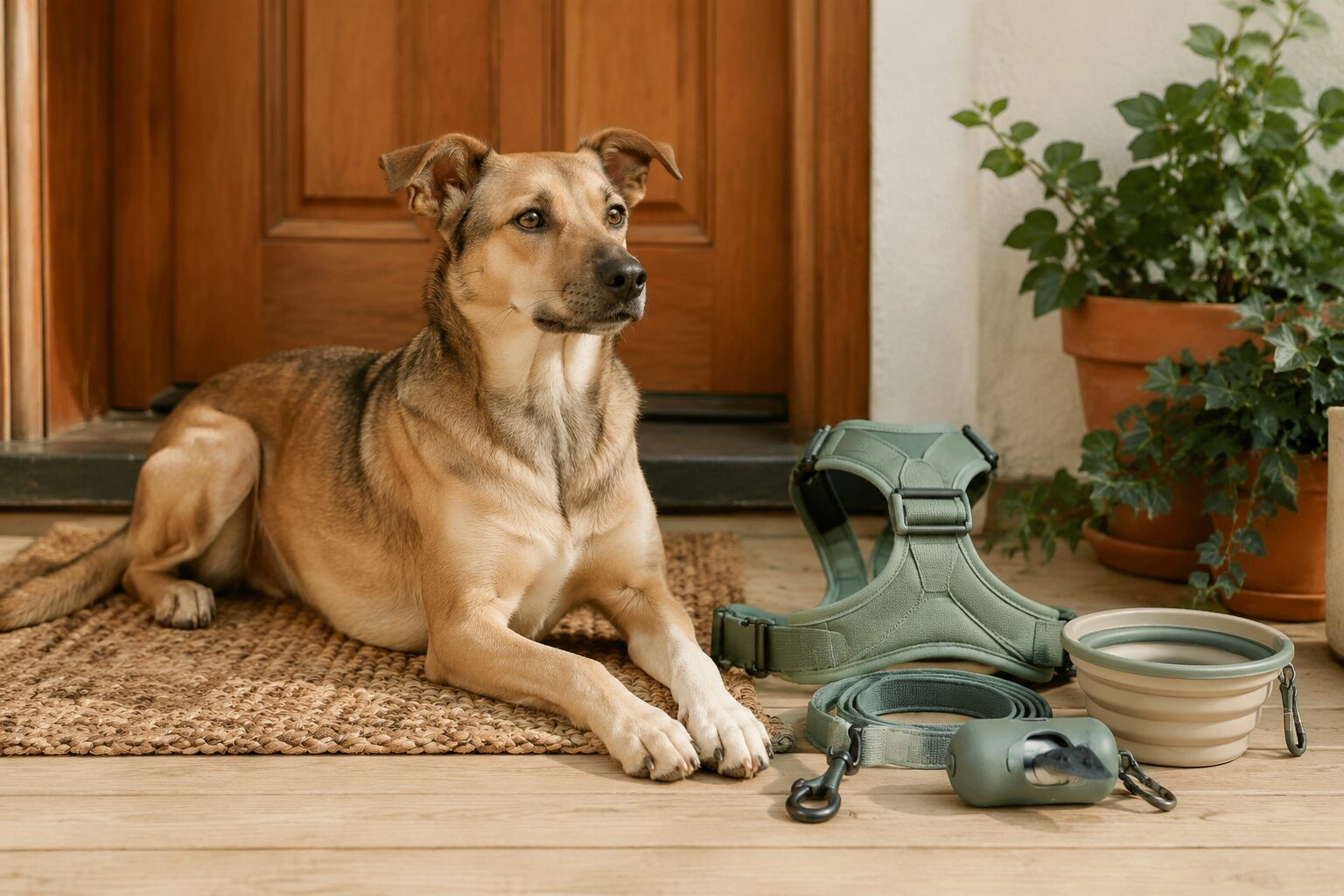
- A fitted harness or collar suitable for the individual dog.
- Small rewards and an accessible treat pouch.
Common mistakes to avoid
- Jerking, choking, frightening or physically correcting the dog.
- Beginning in the busiest possible location.
- Expecting formal heel position for an entire recreational walk.
Contact a veterinarian for sudden, severe, persistent or worsening physical or behavioural changes. For serious fear, aggression or separation distress, begin with a veterinary check and seek an appropriately qualified reward-based behaviour professional.
Shop walking tools
Compare dimensions, materials, instructions and suitability. This is a category search, not a guarantee that every listed product is appropriate.
Shop walking tools on Amazon US ↗As an Amazon Associate I earn from qualifying purchases at no additional cost to you.
Source and review note
This page was reviewed against an established primary reference: view the source. It does not imply endorsement by that organization.